28 July 2022

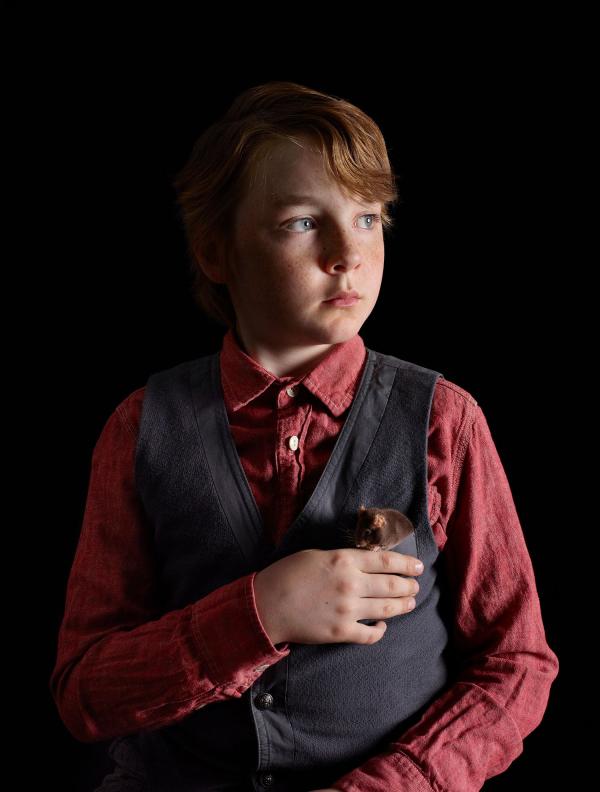
This month we will be heading to the Scottish National Portrait Gallery for their new exhibition Counted: Scotland’s Census 2022. We will be joined by the curator of the show Louise Pearson. Louise is curator of photography at National Galleries of Scotland. She has previously worked for Royal Collection Trust and the National Library of Scotland. Louise is currently working on a collecting project funded through an Art Fund New Collecting Award based around Scotland’s 2022 census with the aim of diversifying the National Galleries collection.
In the year of Scotland’s Census, NGS are exploring who lives in Scotland today, who came before us and who will come after us. Inspired by the questions asked in the census, Counted: Scotland’s Census 2022 considers the complex notion of identity. How is this shaped by our religion, occupation, health, ethnicity?
New acquisitions by photographers working in Scotland today including Kieran Dodds, Arpita Shah and Danny North are presented alongside 19th-century photographs by Thomas Annan and Hill & Adamson, offering comparisons between past and present generations of Scots.
29 October 2015
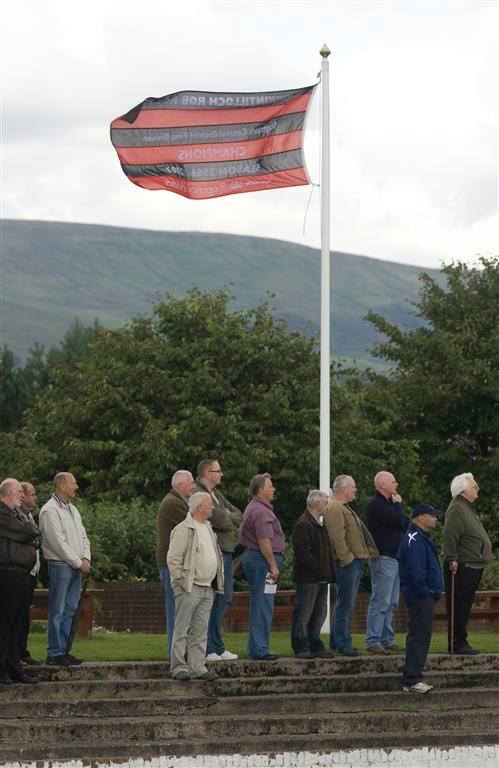
This month we will be exploring the work of the photography collective, Document Scotland comprising Colin McPherson, Jeremy Sutton-Hibbert, Sophie Gerrard and Stephen McLaren. The Ties that Bind is a compelling exhibition of documentary photography by these four Scots-born photographers. The exhibition takes place one year after the Scottish Referendum and features 75 photographs of and about Scotland and its people. While the work touches on the political landscape around the Referendum, the images do not affirm any one position, but seek to present a multiplicity of views that portray the complex changes and subtle nuances surrounding the larger debate.
Jeremy Sutton-Hibbert’s Unsullied and Untarnished focuses on the Scottish Borders area and its traditional summer festivals, known as the Common Ridings. Drawn to the Land is an on-going exploration of contemporary Scottish landscape in which Sophie Gerrard explores the lives of six women farmers working in Argyll, Perthshire, Scottish Borders and the Isle of Mull.
A Sweet Forgetting by Stephen McLaren revolves around the involvement of Scots in the sugar economy of Jamaica in the 18th and 19th centuries which was built on the back of slave labour from Africa. Colin McPherson’s When Saturday Comes explores non-league and grassroots football, looking at the rituals, sense of belonging and the commitment shown by supporters, players and those charged with running clubs from Berwick Rangers to Fraserburgh.
We are delighted to be joined by two of the artists, Jeremy Sutton-Hibbert and Sophie Gerrard, who will give us a valuable insight into their work and the photography collective.
25 February 2010 at 6pm
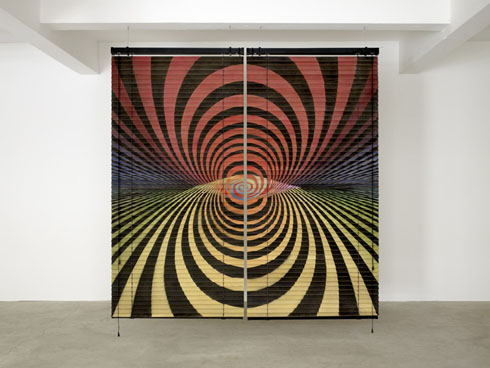
This month, we will explore the Collective Gallerys latest exhibition Documentalist – an international group show presenting work that explores blurred boundaries between fiction and reality through drawing, sculpture and film.
Chris Evans deliberately muddles the roles of artist and patron, genius and muse. Evans will show two sculptural pieces Warm Hermaphrodite and Repeat Horizon, both of which form visual motifs created by Evans in response to interviews with four elderly Italian politicians. All were asked about sacrifice and after a life in the public eye, on the choices they made.
Deimantas Narkevicius will show his film Revisiting Solaris. Trained as a sculptor, Narkevicius has developed a practice, based on video and film that explores fascinating, problematic and overlooked passages of recent post-communist European history, including his personal history of living and working in Lithuania during the soviet era and after.
Suzanne Treister’s practice deals with notions of identity, history, power and the hallucinatory. She will present Alchemy, a series of works which transcribe front pages of international daily newspapers into alchemical drawings, reframing the world as a place animated by strange forces, powers and belief systems.
Joining us to explore individual works and to discuss each artist’s relationship to the title Documentalist will be Kate Gray, Director of The Collective Gallery.
21 May 2008 at 6.30pm
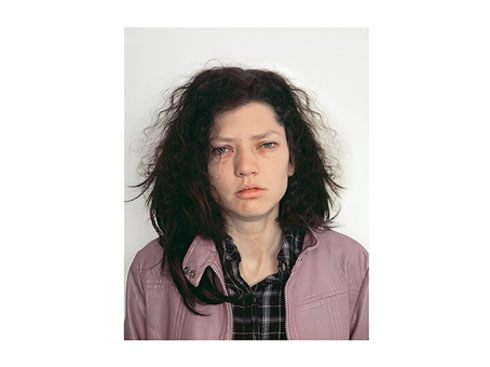
An exploration of London-based artist, E.J. Major’s first solo show, Try To Do Things We All Can Understand.
Major presents four bodies of work from the past four years, all distinct, yet complementary journeys around private/public concerns. The artist trained as a photographer and social scientist and her work is rooted in questions of identity. She explores the individual as a physical and psychological collage; a study of the ways in which we are simultaneously created/self-creating, and of the way our worlds and ourselves entwine.
25 February 2005 at 6pm

Celebrity, glamour, icons repeated; this is what we think of as Andy Warhol‘s defining work. It made him as famous as his superstellar subjects. But Warhol was prolific for many decades and there is a lot more to him than a few (perhaps overexposed) images. Ranked alongside Picasso and Duchamp as a 20th-century giant, Warhol’s importance is measured by the impact his work has had on a vast range of artists since the 1960s. He deals with the big questions – identity, death, love and pain. Yes, his deadpan persona was the epitome of 1960s ‘cool’; but genuine pathos and humanity run through the works. The humane side of Warhol is becoming more visible now, and this exhibition of self-portraits is a revelation – more stimulating and poignant than you might expect.
One person who knows Warhol’s legacy better than most is Jean Wainwright. An art historian and critic based in Kent, Jean has been given unique access to Warhol’s private audiotapes and his time-capsule boxes – all now housed in the artist’s archive in Pittsburgh.
The CAS members travelled to Pittsburgh recently and it was Jean that arranged for Warhol’s now elderly brother to show them round the places he and Andy frequented as kids. He had never spoken in public before. Jean is a colourful character in her own right, so don’t miss the opportunity to see the show in her company.