30 July 2026
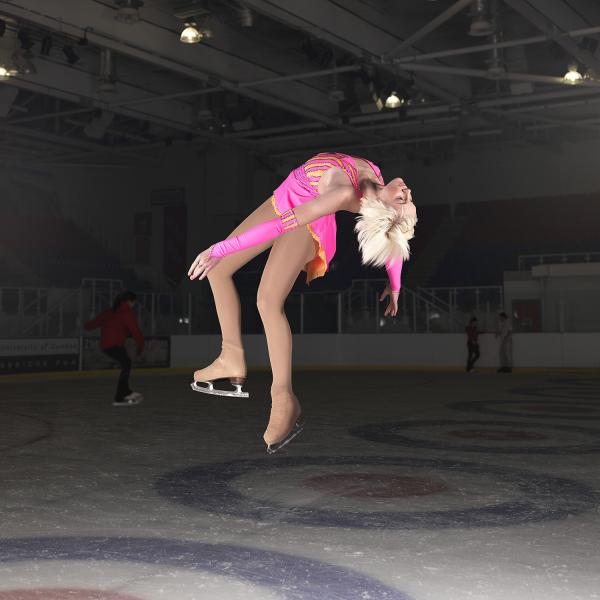
Join us this month for Wendy McMurdo: The Digital Mirror at the Portrait Gallery where we will be joined by curator Ben Harman.
Working at the forefront of developments in digital photography, Wendy McMurdo: The Digital Mirror, charts 20 years of ground-breaking work by this pioneering photographer. McMurdo has blazed a trail in the experimental use of computers and digital tools in photography from the early days of computer-based learning in schools to the growth of the internet and networked gaming.
Wendy McMurdo: The Digital Mirror comes at a time when the digital landscape is changing faster than ever before, with technology offering limitless possibilities and scope for imaginative learning. With children spending more and more time online, the exhibition offers a fascinating insight into the impact of technology on learning and play in childhood.
26 September 2013, 6-7.30pm
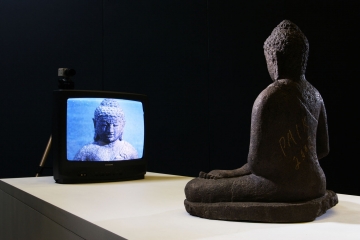
Welcome back after the summer break. Our September Spin event will be hosted by the Talbot Rice Gallery where we will be discussing the summer’s very successful Edinburgh International Festival exhibition, Transmitted Live: Nam June Paik Resounds. Those who came along for the Edinburgh Art Festival Art Late in August had a brief preview of this exceptional exhibition. We will be joined for the discussion by Talbot Rice Gallery Curator James Clegg who will join us to discuss the first survey exhibition of Paik’s work in Scotland.
No other artist has had greater influence on the use of technology in art than Nam June Paik; he prophesied changes that would shape the contemporary world, exemplified in his pioneering ideas, ‘Participation TV’, ‘Random Access Information’ and ‘Video Commune’.
Transmitted Live: Nam June Paik Resounds celebrates the 50th anniversary of Paik’s first solo exhibition, Exposition of Music – Electronic Television (Wuppertal 1963), when the artist brought television into the realm of art for the first time, presenting it as a tactile and multisensory medium. As part of the counter-cultural movements of the 1960s, Paik believed that artists should humanize technology, get their ‘fingers in and tear away the walls’ of the establishment. Paik, a trained musician, treated technology as a material part of his repertoire, which later expanded to include video, satellite transmissions, robots and lasers.


